Blog 18: Building Trust with Indigenous People - Empathy: Part 2 of 6
In this my second blog note about building trust with an Indigenous community, I discuss Empathy. To recap, five key pillars were taught to me by First Nations mentors living in Ontario’s far north: a) engagement; b) empathy; c) authenticity; d) thinking; and e) communication. If you just landed here for the first time, you might consider starting with Part 1.
Dr. Frances Frei, a professor of technology and operations management at the Harvard Business School, states that building trust is founded on our ability to demonstrate that we are real (Authenticity), that we think clearly and assess a broad perspective of ideas, unencumbered by prejudices (Thinking), and that we care about people's well-being (Empathy). To these competencies, I add the processes and skills of engaging (Engagement) and effectively communicating with the Indigenous community (Communication) (Figure 1).
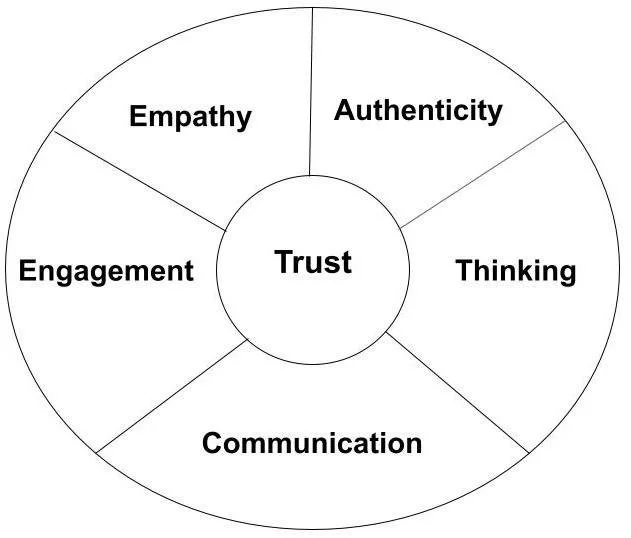
Photo 1: Five pillars of building trust with Indigenous people: empathy, authenticity, thinling, communication, and engagement.
Weakness in any of these pillars can threaten trust. The trust pillar most likely to fail is empathy, so commit your full attention to the people you are engaging and building trust with. It takes time and effort to build empathy. Yet, we are all busy and easily distracted by day-to-day tasks, meaning we may not commit the time required to build empathy. But, without empathy, people won’t believe you are really listening and paying attention to their interests. They will suspect you are engaging only to achieve your interests. Without empathy, and without trust, mutual engagement is likely to fail.
I learned several ways to help develop empathy with a community of Indigenous people, including:
when you meet them, give people your full attention (Figure 2);
avoid the “in at 10 a.m., out by 4 p.m.” schedule when visiting an Indigenous community; developing empathy requires an investment of time and resources;
get to know community people outside the boardroom, not just the leaders you meet inside the boardroom; listen to understand their perspectives; and ask questions to ensure you understand their interests, cultures, lives, and histories.

Figure 2: A quiet discussion between Dennis Bluecoat (left; Wasaho Cree Nation) and Andy Fyon (right; Director Ontario Geological Survey) provided extra time to discuss our mutual interests. Photo composed by Lori Churchill (Ontario Geological Survey) in Fort Severn, in the homeland of Wasaho Cree Nation, December 7, 2004.
Building trust with Indigenous people is not simple. It takes time – sometimes years. It requires a sustained commitment and investment by all parties, working with the community. If community people sense you genuinely care about them and are prepared to work with them to help address their interests (Empathy), not just your own, they are more likely to trust you.
In my book Walking Together: Engagement Lessons from My First Nations Learning Journey I offer stories about my engagement and lessons I learned from remote First Nations people.
Most importantly, trust is an outcome of a successful engagement process. If you don’t engage, you cannot build trust.
Andy Fyon
Ver: Jan. 26/26